




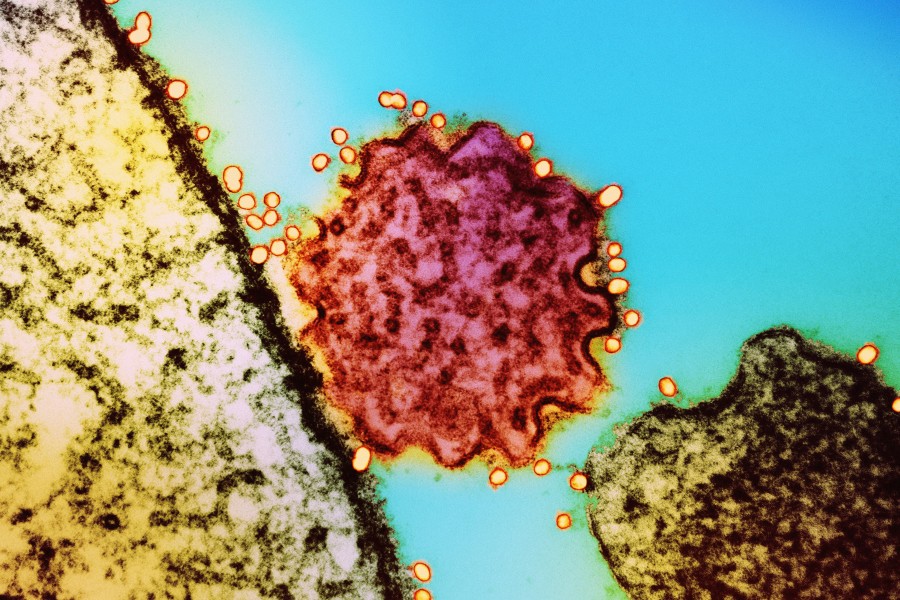
Nipah Virus
Nipah virus is found in animals, but can also infect humans. It is rare but of high consequence: it has a 40-75% case fatality rate, and no vaccine or therapeutic drugs.
The hazard is highly location-specific and is associated with certain rural environments in parts of South and Southeast Asia where bats act as natural hosts. As a result, any production-related risk is confined to those regions.
There is no credible risk to productions filming in the UK, Europe, North America, or in urban or studio environments.
Where Nipah Is Relevant
Production risk is confined to rural parts of South and Southeast Asia, particularly Bangladesh, Kerala, West Bengal and – historically – parts of Malaysia. Risk increases only where filming involves:
- Areas with large fruit bat populations
- Outdoor rural locations
- Agricultural settings
- Traditional food collection practices (e.g. date palm sap)
Increased human encroachment into bat habitats through deforestation, agricultural expansion and settlement brings people, livestock, and Nipah virus reservoirs into ever closer contact, increasing the likelihood of these rare spillover events.
How Transmission Occurs
Nipah does not spread casually or through the environment at large. Transmission pathways of relevance to productions are:
- Direct contact with infected animals like bats, pigs or horses
- Consuming fruits or fruit products such as raw date palm juice that has been contaminated by infected fruit bats. The virus can also cause severe disease in farm animals such as pigs.
- Nipah virus can spread between people, principally in health-care settings and among family or caregivers of sick people through close contact.
Nipah is not airborne in normal conditions and does not spread through brief proximity or passing contact. Likelihood of transmission is low: spillover events are rare and require specific ecological and behavioural conditions. However severity is high: illness is severe, often involving encephalitis, with a high fatality rate.
Overall, risk to productions is low for most productions, and low to moderate only for rural location filming in affected regions.
Practical Controls for Productions
Where filming occurs in known Nipah regions, sensible controls are sufficient.
Location Planning – avoid filming in caves or under trees where bats roost, night shoots in areas with heavy bat activity, and agricultural buildings used by bats.
Food & Drink Safety: do not consume locally collected raw date palm sap; use sealed, commercially bottled drinks. Wash fruit and do not eat damaged fruit. Ensure catering is bat-proofed and covered.
Cast & Crew Briefing: discuss local transmission routes, emphasise hand hygiene, avoid unnecessary contact with wildlife.
Medical Planning: identify local medical facilities in advance and have a clear reporting pathway for febrile or neurological symptoms. No special PPE is required beyond normal hygiene measures.
Productions do not need:
- Respirators or masks specifically for Nipah
- Vaccination (none is available)
- Production shutdowns – unless advised by local public health authorities
- Enhanced controls outside affected regions
Nipah Virus | International Advice

11
Article last updated on Jan 31st, 2026


